

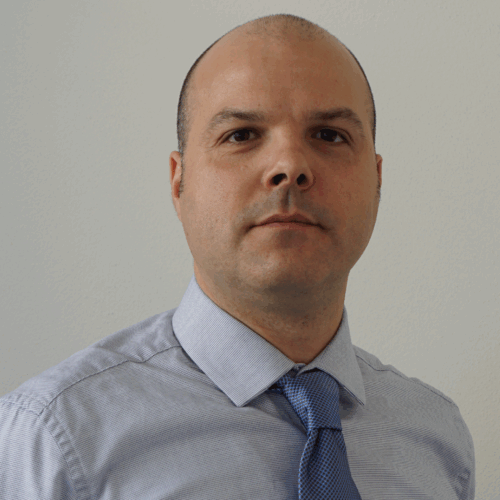
- Dr. Squassina Alessio
CV
ABSTRACT
The World Health Organization (WHO) reports that nearly a billion people globally live with a mental disorder. These disorders represent a significant cause of disability worldwide, affecting relationships, work, and overall health, and contributing to economic losses and, in severe cases, premature death. Pharmacotherapy represents the gold standard treatment in mental illness, but response is highly heterogeneous, and about one third of patients affected by severe disorders is characterized as treatment resistant. This scenario strongly highlights the need for the identification of better strategies to guide therapeutic interventions.
This presentation will focus on bipolar disorder, a mood disorder affecting about 30 million people worldwide and strongly associated with medical and psycahitric comorbidities and premature death, among which suicide represents one of the first causes. BD is treated with mood stabilizers, with lithium representing the mainstay. However, only 30% of patients respond well to the treatment, with the rest presenting high variability. Compared to other psychiatric medications, the search for molecular predictors of lithium response has been mostly unsuccessful, mainly because its mechanism of action is still not completely understood. This symposium will provide the audience with an overview of the most recent studies on the pharmacogenomics of lithium treatment in BD, presenting the most promising findings.